GRUB CONTROL
Grub Control Services in Middle Georgia
Grubs feed on grass roots from below. By the time the turf lifts up like loose carpet, the damage is done. We offer a preventative treatment that keeps grubs from getting established and a curative treatment that stops an infestation already underway.
GRUB CONTROL
Preventative or curative: which do you need?
Preventative grub control is applied before the beetles' eggs hatch, so the lawn never hosts a population. Curative treatment is for a lawn that already shows damage. Either way, fertilization, aeration and overseeding bring the turf back afterward.
Preventative treatment
One application timed before grubs hatch. The lawn stays protected through the season when root feeding does its damage.
Curative treatment
If grubs are already feeding, a curative application stops them so the roots can recover.
Repair afterward
Fertilization to rebuild, aeration to open the soil, overseeding to fill the dead patches. The same program, one team.
Your service plan
Protect the roots. Plan the recovery.
Preventative and curative treatments address different stages of a grub problem.
01
Check below the surface
Yellowing patches and loose turf can indicate root feeding. We assess the cause first.
02
Choose the treatment
Preventative applications are timed before hatch; curative treatments address active feeding.
03
Help the lawn recover
Nutrition, soil care and suitable repair options address the turf damage left behind.
Catch root damage before it spreads.
Tell us about your property. We’ll recommend the next step.
What to expect
Clear care, from start to finish.
Assessment first
Confirm grubs rather than guessing from brown turf.
Clear instructions
Follow the application-specific watering and re-entry guidance.
One recovery plan
Treatment and supporting lawn care are coordinated by the same team.
THE DETAILS
What are grubs, and what do they do to a lawn?
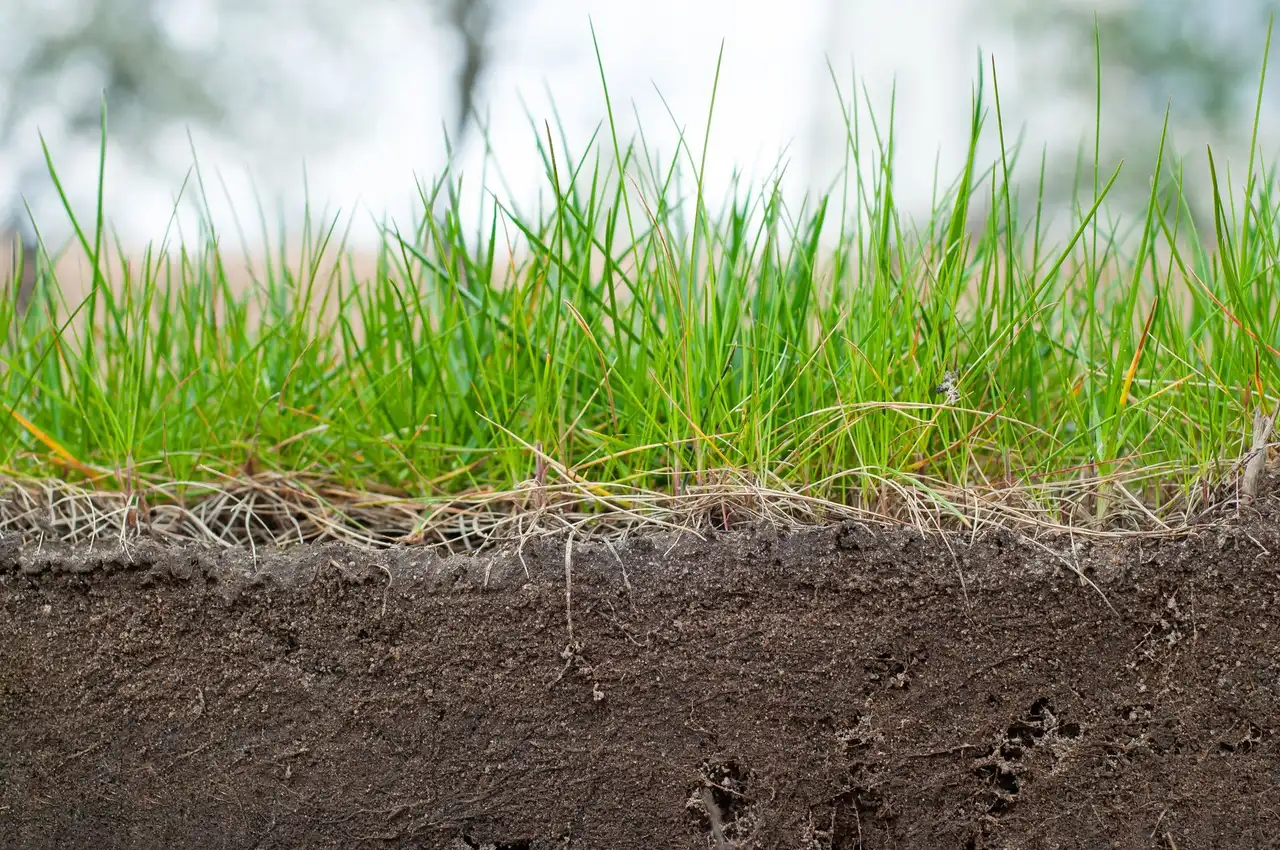
Grubs are the larvae of beetles. They live just under the surface and feed on grass roots. A lawn with grubs looks drought-stressed first: patches turn yellow and brown even with water. As feeding continues, the turf loses its grip on the soil and can be pulled back by hand. Animals digging for grubs add to the damage.
How does preventative grub control work?
A preventative application goes down before the eggs hatch. It protects the root zone through the weeks when young grubs would start feeding, so a population never gets established. For most lawns this is the simpler route: one timed visit instead of repairing dead turf later.
What if the lawn already has grubs?
Curative treatment stops grubs that are actively feeding. It is applied to the damaged areas and the lawn around them, and the feeding stops. What it cannot do is regrow roots that are already gone, which is why we follow it with recovery work.
How do you bring the lawn back?
01
Fertilization supplies the nutrients damaged turf needs to regrow.
02
Core aeration loosens compacted soil so the recovering roots reach water and nutrients.
03
Overseeding fills the dead patches with new grass in the fall.
Who does the work?
Technicians licensed by the Georgia Department of Agriculture, with a notification before the visit and a summary after it. Treatments are pet-safe once dry. If you're not happy with the result, you don't pay for your last application.
YOUR QUESTIONS, ANSWERED
A little clarity. A better start.
How do I know it's grubs and not drought or disease?
When is preventative grub control applied?
Can one treatment fix an active infestation?
Is grub control safe for pets?
Do you serve my area?
How do you identify grubs, time treatment, and plan lawn repair?
What grubs are Beetle larvae live below the surface and feed on grass roots.
Warning signs Turf may look drought-stressed, lift like loose carpet, or attract digging animals.
Prevention An application timed before hatch protects the root zone when young grubs begin feeding.
Active infestations Curative treatment targets feeding grubs; it cannot regrow roots already lost.
Repair options Fertilization, aeration and suitable fall overseeding may be recommended after assessment.
Visit information You receive a notification before the visit and a summary afterward.
LET’S MAKE YOUR LAWN THE PLACE TO BE
Catch grubs before they cost you the lawn.
Ask us for the preventative treatment, or send a photo if the turf is already lifting.