


Professional Plant Health Care
Protecting Landscape Health Across Middle Georgia and South Metro Atlanta
Our team will treat your trees and shrubs to keep them free of diseases and insect infestations.
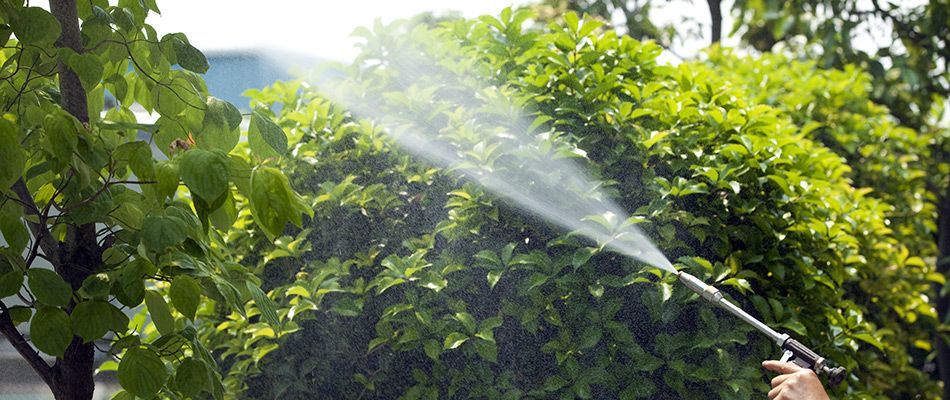
Landscaping plants are long-term investments that shape the appearance and value of your property. In Middle Georgia, ornamental plants face consistent pressure from insects, fungal diseases, heat stress, and heavy clay soils. Without proper monitoring and timely treatment, minor issues can gradually weaken plants and affect overall landscape health.
Professional plant health care focuses on early identification, targeted treatment, and long-term protection. By managing pest populations and fungal activity at the right time of year, landscapes remain healthier, more resilient, and better prepared for seasonal stress.
How Insect and Disease Control Supports Long-Term Landscape Health
Managing pests and diseases strengthens the entire landscape ecosystem.
Improved Plant Vigor
Healthy plants maintain fuller foliage, consistent growth, and stronger branch structure.
Reduced Secondary Stress
Unchecked insect feeding or fungal infection can weaken plants and invite additional problems. Early control limits compounding stress factors.
Better Nutrient Uptake
Plants free from root disease or heavy insect pressure utilize fertilizer more efficiently.
Extended Plant Lifespan
Consistent monitoring and treatment protect the long-term value of ornamental trees and shrubs.
One Team to Care for Your Lawn and Plants
Call for a free quote!
Turf Magic’s Plant Health Care Approach
Plant health care works best when it is structured, consistent, and integrated into an overall landscape management program.
Detailed Evaluation
Each service begins with an inspection of plant health, leaf structure, bark condition, and soil environment. Technicians evaluate visible symptoms and assess contributing factors such as drainage and sun exposure.
This evaluation ensures treatments are precise and appropriate for each plant species.
Targeted Insect Control
Professional-grade insect control products are selected based on the specific pest and its stage of development. Applications may include foliar treatments, systemic injections, or soil-applied products depending on plant type and infestation severity.
Systemic treatments move through the plant’s vascular system, offering extended protection against feeding insects.
Disease Management
Fungicide applications are scheduled when disease pressure is present or when environmental conditions indicate elevated risk. Preventative treatments are often recommended during periods of high humidity or extended rainfall.
Proper timing reduces the likelihood of repeat outbreaks and supports plant recovery.
Ongoing Monitoring
Plant health changes gradually. Regular visits allow technicians to monitor progress, adjust treatment plans, and address new concerns before they escalate.
Give Your Plants the Care They Deserve
Call today for your free quote!
The Importance of Timing in Plant Care
Insect and disease control depends heavily on timing. Many insects are most vulnerable during early life stages, and fungicides are most effective when applied before widespread infection.
Spring applications often focus on emerging insect populations and early fungal activity. Summer treatments address heat-related stress and peak pest pressure. Fall monitoring ensures plants enter dormancy in stable condition.
A structured seasonal schedule improves outcomes and reduces unnecessary product use.
Why Local Conditions Influence Plant Health
Middle Georgia landscapes experience long summers, periodic drought, heavy rainfall events, and clay-heavy soils. These conditions influence how insects reproduce and how fungal spores spread.
Warm-season stress can weaken ornamental plants, making them more susceptible to pests and disease. Clay soil may retain excess moisture around roots, increasing fungal pressure. Shaded areas with limited airflow can create microclimates where pathogens thrive.
Plant health care must account for these regional factors. Treatment timing, product selection, and monitoring schedules are adjusted based on seasonal patterns rather than fixed national calendars.
Local Expertise for Middle Georgia Landscapes
Plant health in Middle Georgia depends on understanding local climate patterns, soil composition, and plant varieties common to the region. National treatment schedules often overlook these variables.
Turf Magic technicians evaluate each landscape within its local context, adjusting timing and product selection based on real-time conditions. This localized approach supports steady improvement and reduces recurring problems.
Call to schedule our plant health care service today!
Common Insects in Middle Georgia
Middle Georgia’s warm climate supports a wide range of insects that feed on ornamental plants. Some cause visible leaf damage, while others target roots or internal vascular systems.
Aphids
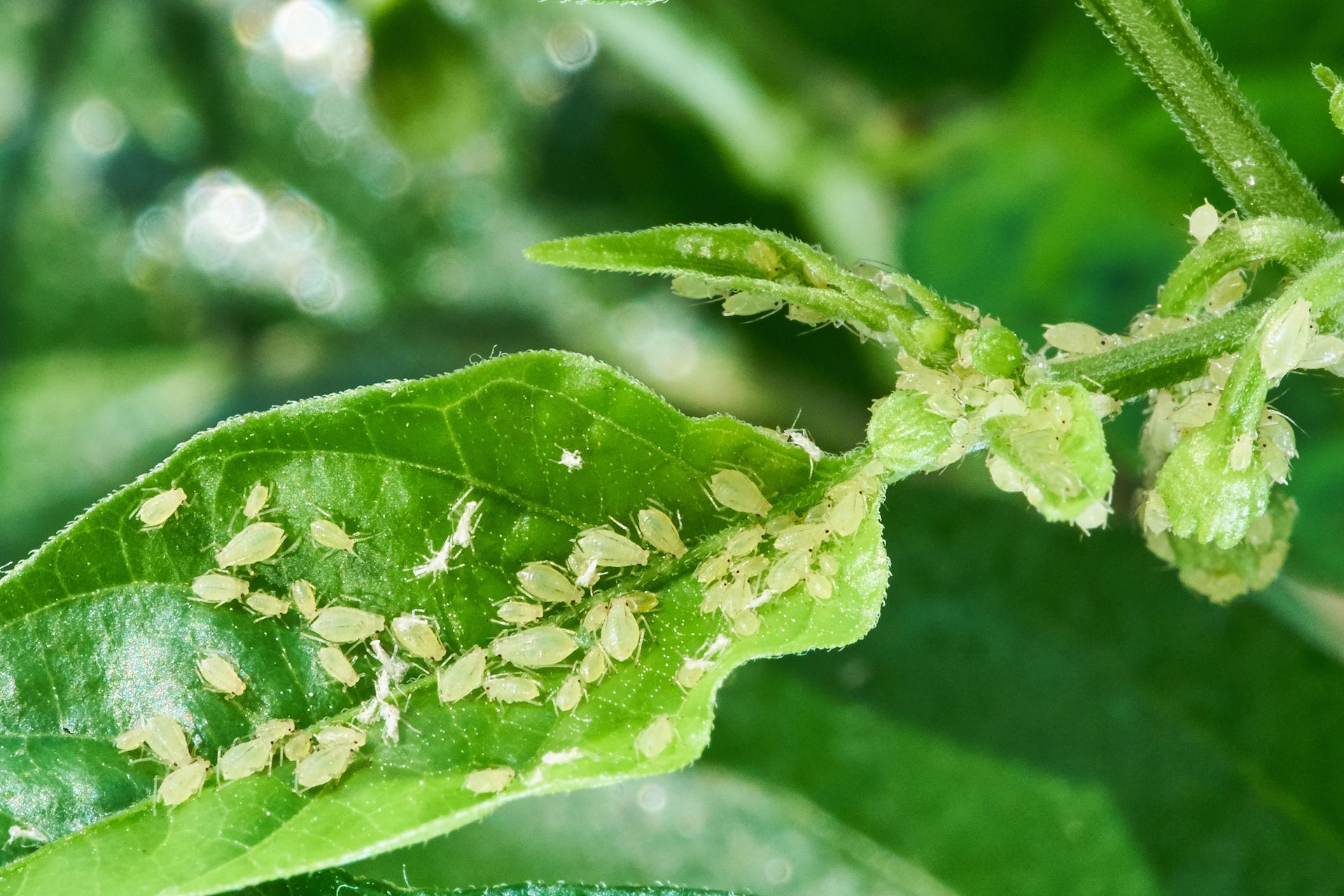
Aphids feed on plant sap and often cluster on new growth. Heavy infestations can cause curling leaves, stunted growth, and sticky residue known as honeydew, which encourages sooty mold development.
Scale Insects
Scale insects attach to stems and branches, drawing nutrients directly from plant tissue. Because they often resemble small bumps rather than insects, infestations can go unnoticed until plants begin declining.
Spider Mites
Spider mites thrive during hot, dry periods. They feed on leaf tissue, creating speckled discoloration and premature leaf drop.
Whiteflies
Whiteflies gather on the undersides of leaves and weaken shrubs through persistent feeding. Their presence also encourages mold growth due to honeydew production.
Bagworms
Bagworms affect many ornamental evergreens. They construct protective casings and feed on foliage, which can lead to thinning and branch dieback if not controlled early.
Each insect requires a specific treatment strategy. Proper identification ensures that control measures are effective and applied at the correct stage of the life cycle.
Common Plant Diseases in Middle Georgia
Fungal and bacterial diseases are common in humid environments. Extended leaf moisture, poor air circulation, and soil drainage issues often contribute to disease development.
Leaf Spot
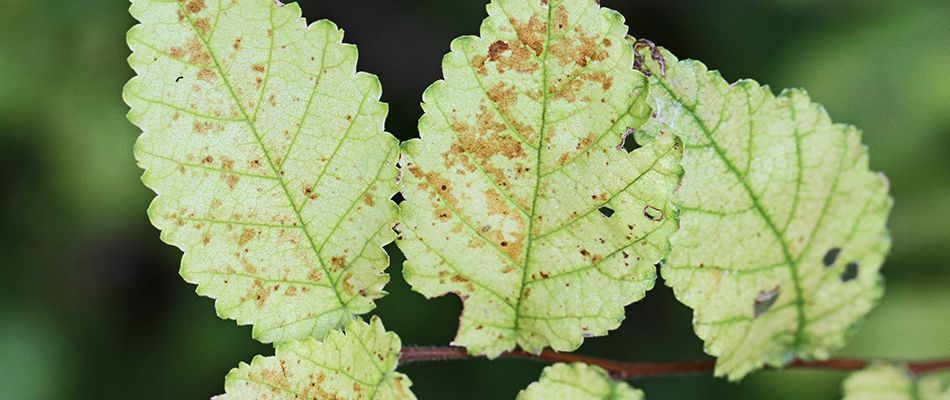
Leaf spot diseases create dark lesions on foliage. While minor infections may be cosmetic, repeated outbreaks can weaken plants over time.
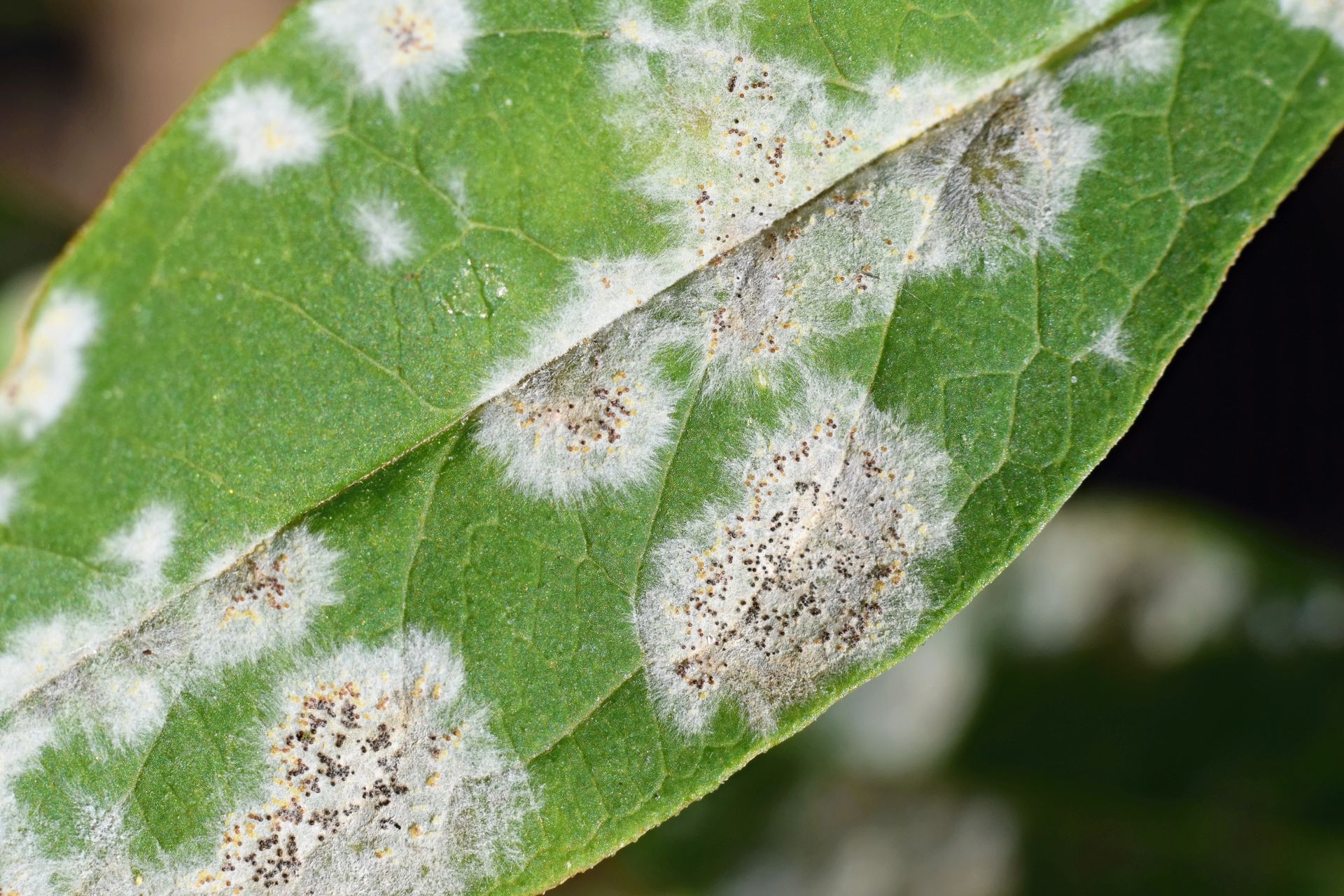
Powdery Mildew
Powdery mildew appears as a white coating on leaves and stems. It often develops in shaded areas with limited airflow.
Root Rot
Root rot occurs when soil remains overly saturated. Poor drainage and compacted clay soils increase risk. Once roots are compromised, plants struggle to absorb water and nutrients effectively.
Canker Diseases
Cankers cause localized dieback on branches and stems. Early intervention prevents the spread of infection and protects structural integrity.
Accurate diagnosis distinguishes between disease, insect damage, and environmental stress. Treatment plans are based on the underlying cause rather than surface symptoms.
Restore Your Landscape Health
Call for your free plant health care quote!
Plant Health Care for Residential and Commercial Properties
Turf Magic provides disease and insect management for:
· Residential landscapes
· Commercial properties
· HOA-managed communities
Each property type benefits from consistent monitoring, timely applications, and communication regarding plant health.
Protect Your Landscape Investment
Ornamental plants contribute structure, shade, and curb appeal to your property.
Professional disease and insect control preserves that investment by addressing problems early and maintaining consistent plant health throughout the year.
If you have noticed thinning foliage, discoloration, insect activity, or unexplained decline, a professional evaluation can clarify the cause and provide a clear plan of action.
Reach Out Today to Get Your Free Plant Evaluation
Request your free quote today!
What we Do
Our Services
Are treatments safe for pets and families?
Applications are performed by licensed technicians using products approved for ornamental use. Treated areas are safe once dry, and clear instructions are provided after service.
Can damaged plants recover?
Many plants recover when stressors are addressed early. Recovery depends on severity and overall plant health at the time of treatment.
How often are treatments needed?
Most programs involve seasonal monitoring with treatments applied as needed based on risk and activity levels.
Can insect damage resemble disease?
Yes. Feeding damage, nutrient deficiencies, and fungal infection can appear similar. Proper evaluation ensures we apply the correct solution.