OVERSEEDING
Lawn Overseeding Services in Middle Georgia
Thin spots don't fill themselves. In fall, when the heat lets up, we spread fescue or ryegrass seed over bare and patchy areas, follow it with starter fertilizer, and tell you exactly how to water it in.

OVERSEEDING
When and how do we overseed?
Fall, after the summer stress and before the cold. The seed is matched to the lawn, starter fertilizer goes down the same day, and aeration beforehand gives seed the soil contact it needs.
The right seed
Fescue and ryegrass establish well in Middle Georgia's cooler months and thicken a lawn that heat, drought or traffic has thinned.
Starter fertilizer, same visit
A starter blend of nitrogen, phosphorus and potassium feeds the new seedlings as they root.
Watering made clear
Germination depends on the first two weeks. You get a simple watering schedule, and we tell you when to mow again.
Your service plan
From thin spots to a fuller lawn.
The right seed, preparation and early care give new grass the best start.

01
Match the seed
We assess grass type, shade, use and lawn condition before choosing fescue or ryegrass.
02
Prepare & seed
Preparation and aeration where appropriate improve seed-to-soil contact before an even application.
03
Support establishment
Starter fertilizer and clear watering and mowing guidance help new seedlings establish.
Plan ahead for a thicker lawn.
Tell us about your property. We’ll recommend the next step.
What to expect
Clear care, from start to finish.
A lawn-specific recommendation
Seed and timing are selected for the site and its intended use.
Starter nutrition
A starter blend is applied to support early root development.
Clear next steps
Know how to water and when to resume mowing.
THE DETAILS
Overseeding strengthens thinning turf by introducing new grass seed directly into your existing lawn. This process fills in bare or sparse areas, improves density, and supports healthier growth over time. A thicker lawn resists weeds, tolerates stress more effectively, and maintains better color and uniformity through seasonal changes.
In Middle Georgia, overseeding plays an important role in helping lawns recover from summer heat and prepare for cooler months as part of a complete, long-term turf care program.
What Overseeding Does for Your Yard
When your lawn starts to thin, either from age, environmental stress, foot traffic, or poor soil conditions, it becomes more vulnerable to weeds, pests, and disease. Overseeding addresses these problems by:
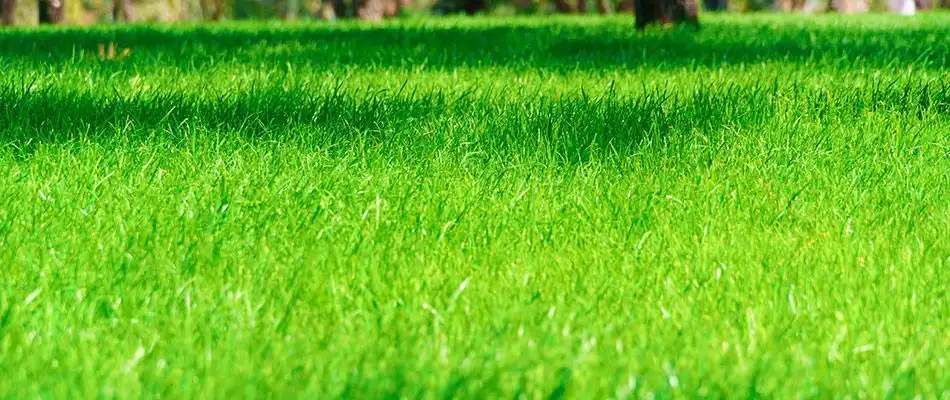
Filling in Bare Spots
Thin or patchy areas compromise curb appeal and turf strength. Overseeding introduces new grass into these gaps for a fuller, more uniform lawn.
Improving Turf Density
A dense lawn crowds out weed growth and reduces bare ground that invites pest pressure.
Boosting Disease & Drought Resistance
New, vigorous grass plants make your lawn better able to withstand stress from insects, disease, and extreme weather.
Enhancing Color and Texture
Fresh grass seedlings improve lawn appearance, offering a richer color and smoother texture.
Extending Seasonal Lawn Performance
For warm-season grasses common in Georgia (like Bermuda and Zoysia), overseeding with cool-season grasses (like ryegrass) in fall helps maintain green coverage through winter dormancy.
Turf Magic Overseeding Services: What We Offer
At Turf Magic, we provide expert overseeding services tailored to your lawn’s specific needs and your property type, whether residential, commercial, HOA, or athletic turf.
Customized Seed Selection
We use high-quality grass seed suited for Georgia’s climate and your lawn’s intended use:
Starter Fertilizer Application
After overseeding, we apply a nutrient-rich starter fertilizer designed to support rapid germination and strong root development. This blend includes key nutrients such as nitrogen, phosphorus, and potassium, all crucial for new grass growth.
When to Overseed in Middle Georgia
Timing greatly impacts overseeding success. In Middle Georgia’s warm climate, the ideal window aligns with seasonal soil and air temperatures that favor seed germination and establishment:
Mid-to-Late September (Fescue)
Cooler soil and air temperatures at this time help fescue seed sprout and establish before winter.
October (Ryegrass for Athletic Fields)
Cool-season ryegrass thrives when planted around this time, offering excellent winter wear tolerance.
In general, overseeding works best when soil temperatures are moderate and daytime temperatures are not extreme, typically late summer into early fall. This timing minimizes weed competition and maximizes seedling success.
The Overseeding Process: What to Expect
Our professional overseeding service includes:
01
Lawn Assessment
Our technicians evaluate your turf health, soil conditions, shade patterns, and grass types to determine the best overseeding plan.
02
Preparation
Mowing the existing lawn lower than normal helps seed reach the soil. In many cases, we also aerate the lawn to improve soil aeration and seed-to-soil contact, a critical step for better germination.
Note: Core aeration loosens compacted soil and creates pathways for oxygen and nutrients, ideal for overseeding success.
03
Seed Application
We apply premium grass seed evenly across the turf using professional equipment to ensure proper coverage.
04
Starter Fertilizer
Right after seeding, a starter fertilizer is applied to deliver essential nutrients to germinating seedlings.
05
Post-Service Guidance
We’ll provide watering and mowing recommendations to support strong establishment, including how often to water newly seeded areas and when to resume regular maintenance.
Watering & Care After Overseeding
Watering the lawn correctly after overseeding is just as important as the service itself. Newly seeded areas need consistent but moderate moisture to encourage germination and early root growth.
Frequency: Light, frequent watering during the first few weeks.
Duration: Adjust based on weather; newly seeded lawns generally need slightly more moisture than established turf.
Avoid overwatering, which can wash seeds away or promote disease, and don’t let the soil dry out completely during germination.
Benefits of Professional Overseeding
While DIY overseeding may seem simple, professional service delivers clear advantages:
High-Quality Seed & Equipment
Professionals use premium seed blends and precision equipment that improve coverage and seed placement.
Proper Timing & Technique
Optimal timing based on local climate and lawn conditions maximizes germination success.
Integrated Lawn Care
Turf Magic combines overseeding with fertilizer and lawn care practices, giving your lawn a holistic upgrade.
Saves You Time & Effort
Lawn improvement done right, without the hassle and guesswork.
YOUR QUESTIONS, ANSWERED
A little clarity. A better start.
Is overseeding needed every year?
Can any lawn be overseeded?
When should I not overseed?
Should I aerate first?
How do I care for it afterward?
How are seed, timing, and aftercare chosen for my lawn?
Fescue timing Mid-to-late September is the typical local window, adjusted to weather and lawn conditions.
Ryegrass timing October is a typical window for ryegrass on athletic and high-traffic turf.
Choose for the lawn Overseeding is not the right approach for every grass type. We assess suitability first.
Preparation Mowing and aeration needs are discussed before seed is applied.
Watering Keep newly seeded areas consistently moist without washing seed away or saturating the soil.
Mowing & recovery Follow the specific post-service guidance as seedlings establish.
LET’S MAKE YOUR LAWN THE PLACE TO BE
A thicker lawn by spring starts in fall.
Tell us where the thin spots are. We'll schedule seed and starter fertilizer for the right week.